
R&D Ledger started with a real documentation problem
A family business had completed technical work that could potentially support an R&D tax credit. What it did not have was a clear, contemporaneous record of the projects, tests, people, costs, and evidence behind that work.
Where the idea began
The idea for R&D Ledger began when the founder’s family business learned that some of its product and process work could potentially qualify for the federal R&D tax credit.
The business was then quoted thousands of dollars for someone to reconstruct the year after the fact. There were invoices, photos, files, and memories, but no consistent project record showing what had been attempted, what was uncertain, who performed the work, or how the project changed over time.
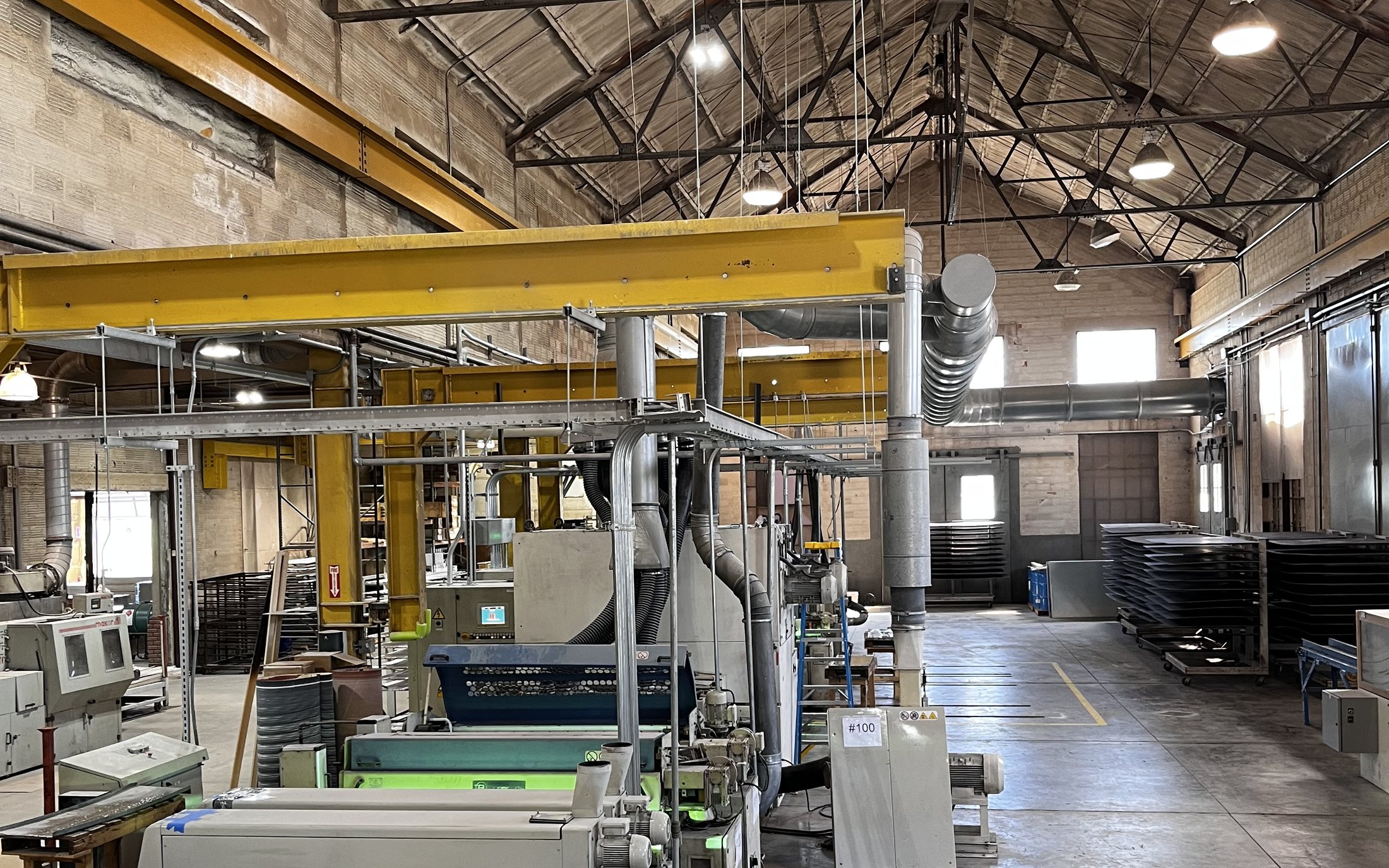
The business needed a better way to keep the record
Instead of paying someone to piece the work together months later, the company needed a practical way to document projects as they happened.
That meant recording the technical question, the alternatives considered, the tests and failures, the people involved, the related costs, and the supporting evidence in one connected place.
That need became R&D Ledger
R&D Ledger was first built to help that business substantiate its own R&D activity. The goal was straightforward: preserve the facts while they were still available and prepare a record that a CPA could actually review.
The same problem exists across manufacturers, software companies, food businesses, product developers, fabricators, contractors, and other companies working through technical challenges. The work may be different, but the documentation problem is often the same.
From project work to CPA handoff
R&D Ledger connects the project description, technical uncertainty, trials, results, employees, contractors, expenses, and supporting files by project and tax year. When review time arrives, those records can be organized into an accountant-ready packet.
Who R&D Ledger is built for
R&D Ledger is built for businesses that want to document potential R&D activity while the work is happening, without turning every employee into a tax expert.
It is also built for CPA firms and tax advisors who want clients to arrive with a more complete, organized, and reviewable record.
The CPA remains responsible for the tax determination
R&D Ledger organizes documentation and supports the review workflow. It does not determine whether an activity qualifies, decide which expenses are eligible, calculate a guaranteed credit, or replace professional tax judgment.
See how the record comes together
Follow one project from its first technical question through testing, cost support, evidence, review preparation, and CPA handoff.