
R&D does not always look like a laboratory.
It may begin with a production issue, a material that did not perform as expected, a software limitation, a failed batch, or a product that needed another design.
The project facts determine what is worth reviewing. Your CPA makes the final tax determination.
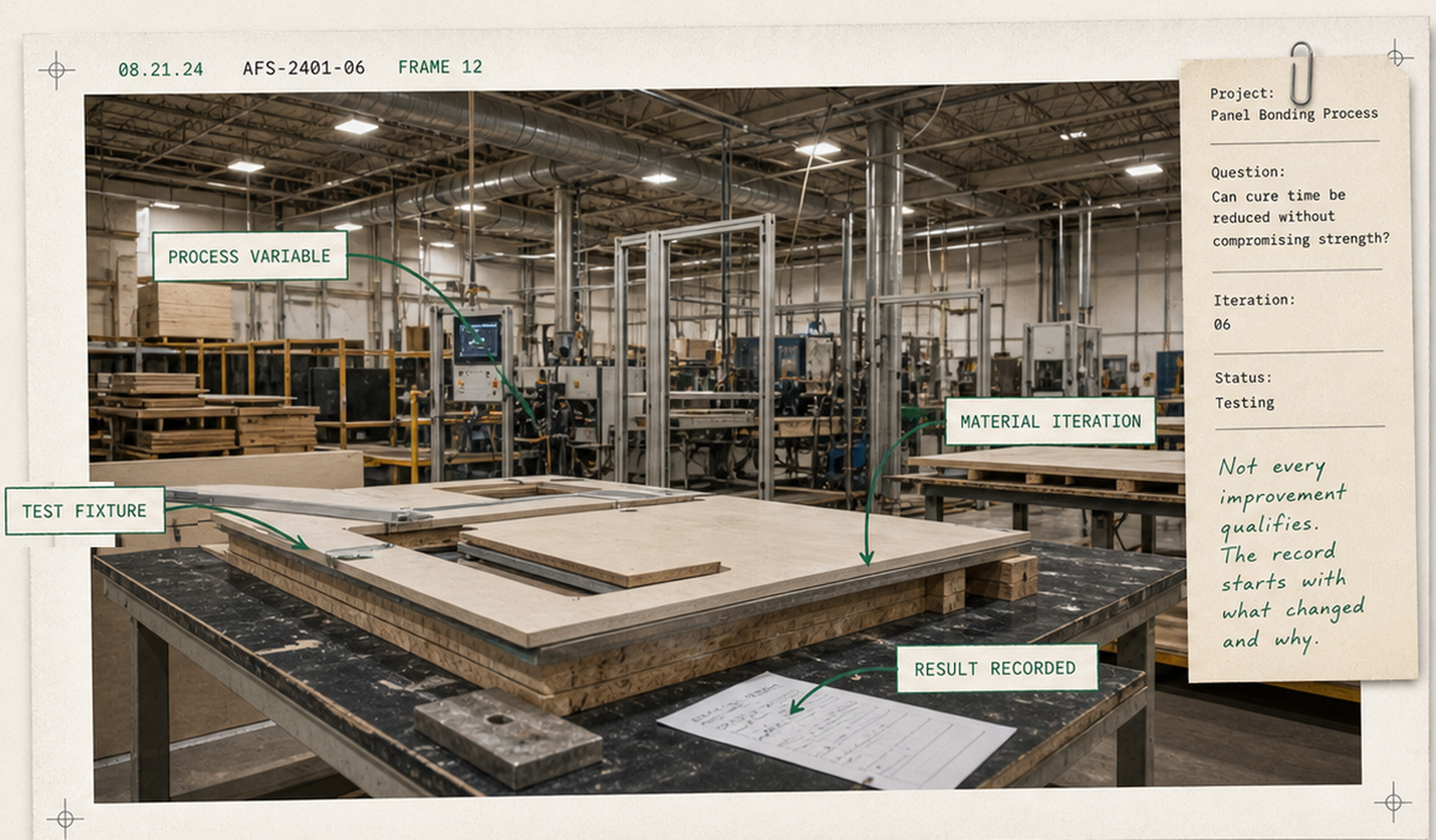
Start with the question the team could not answer in advance
A useful project record begins with a specific technical question. Will a different material hold up? Can the process run faster without increasing defects? Which design will meet the performance target?
Write down the question before the next trial. It gives the later photos, measurements, labor, expenses, and results a clear project context.
Question → Test → Observe → Revise → Record
Each trial should show what the team changed, what it expected to happen, what it observed, and what it decided to try next.
The photographs below show the level of detail that makes a project easier to understand. The photos alone do not establish eligibility.
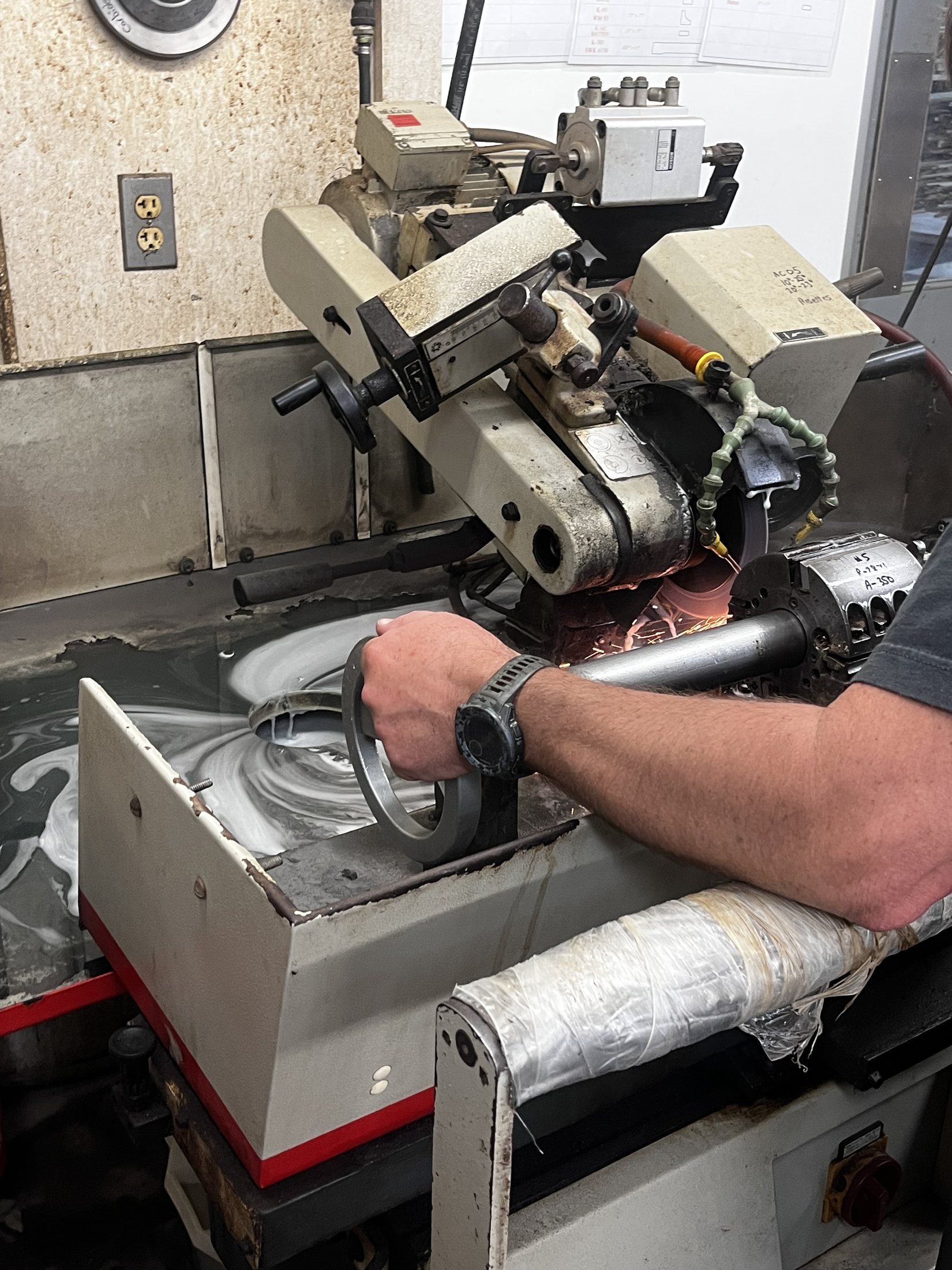
An operator adjusts the grinder during a production trial. The project record should identify the setting changed, the expected result, and what happened during the run.
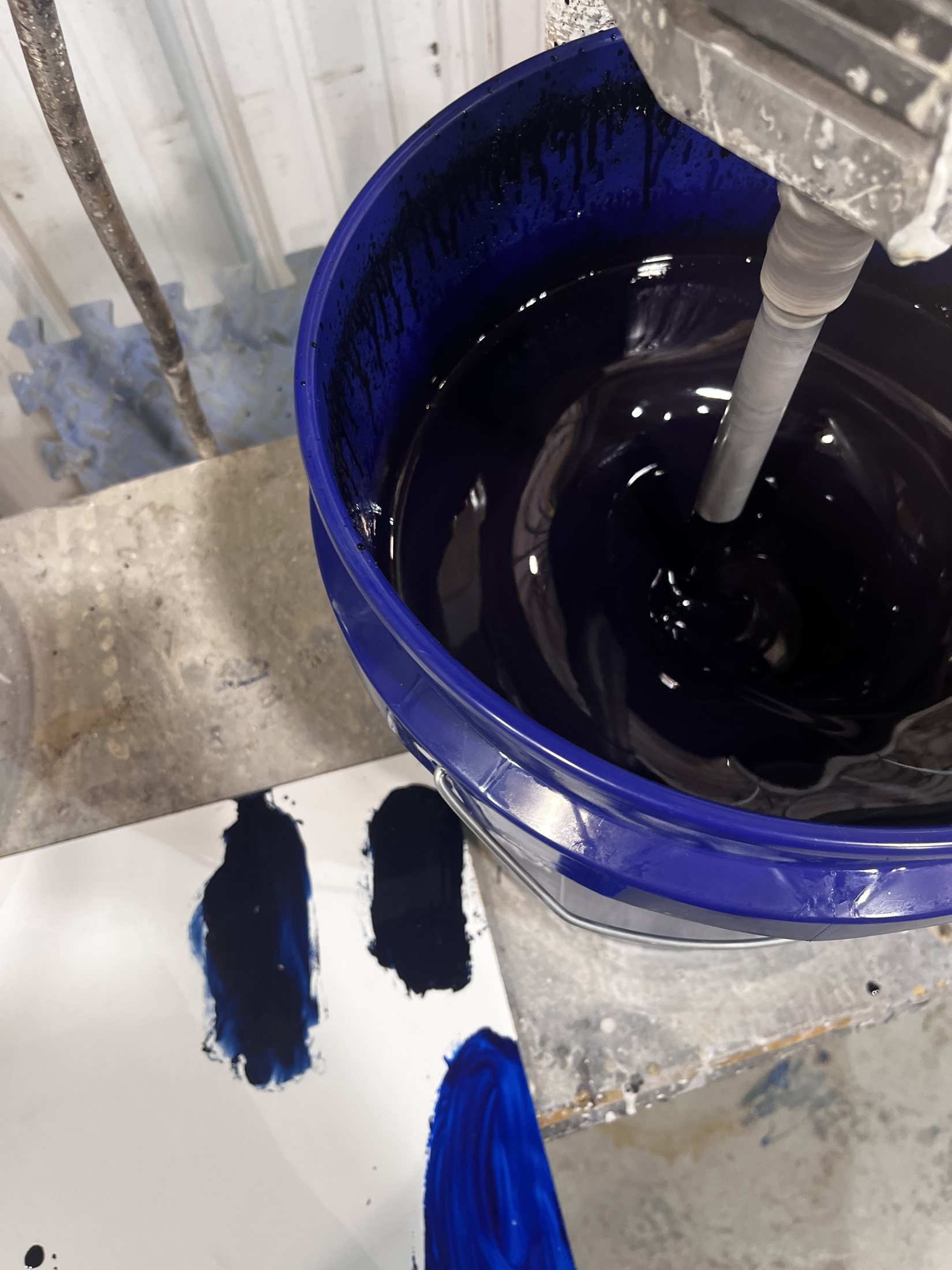
A pigment-mixing trial with test swatches nearby. Record the formulation, batch, ratio, target finish, and observed result.
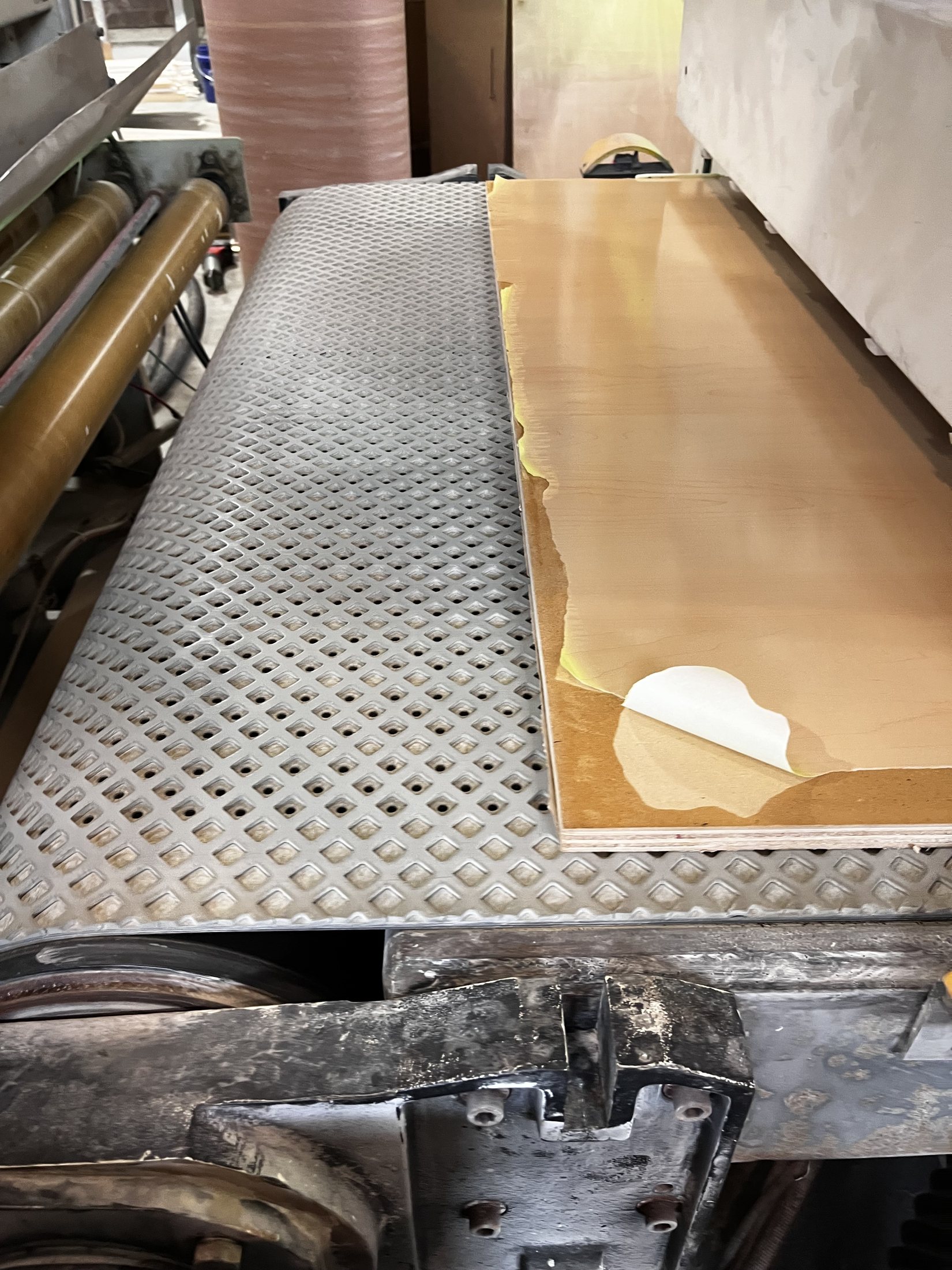
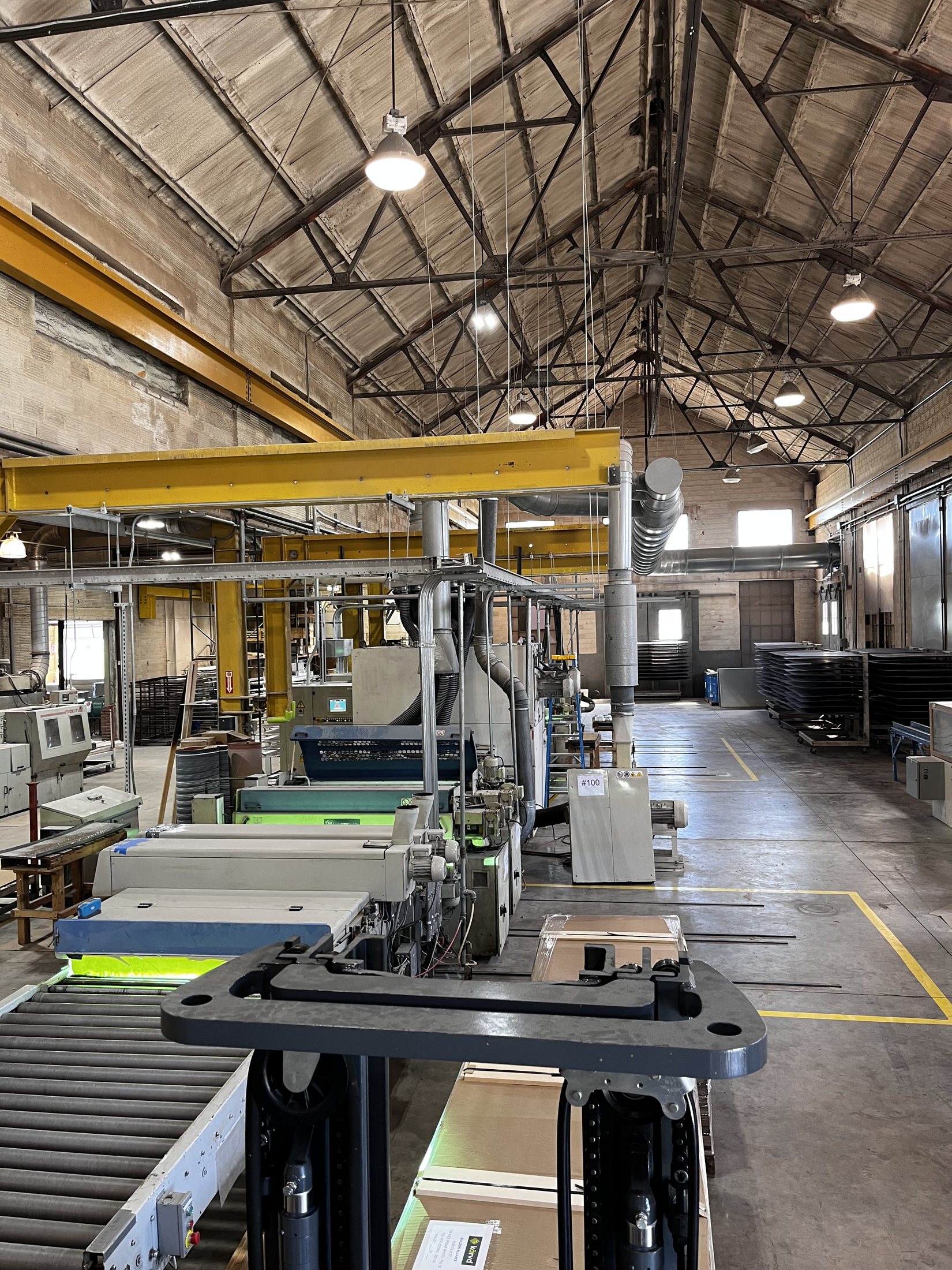
A panel moves through a wide-belt sander during a process trial. Record the belt, speed, feed setting, material, and resulting surface condition.
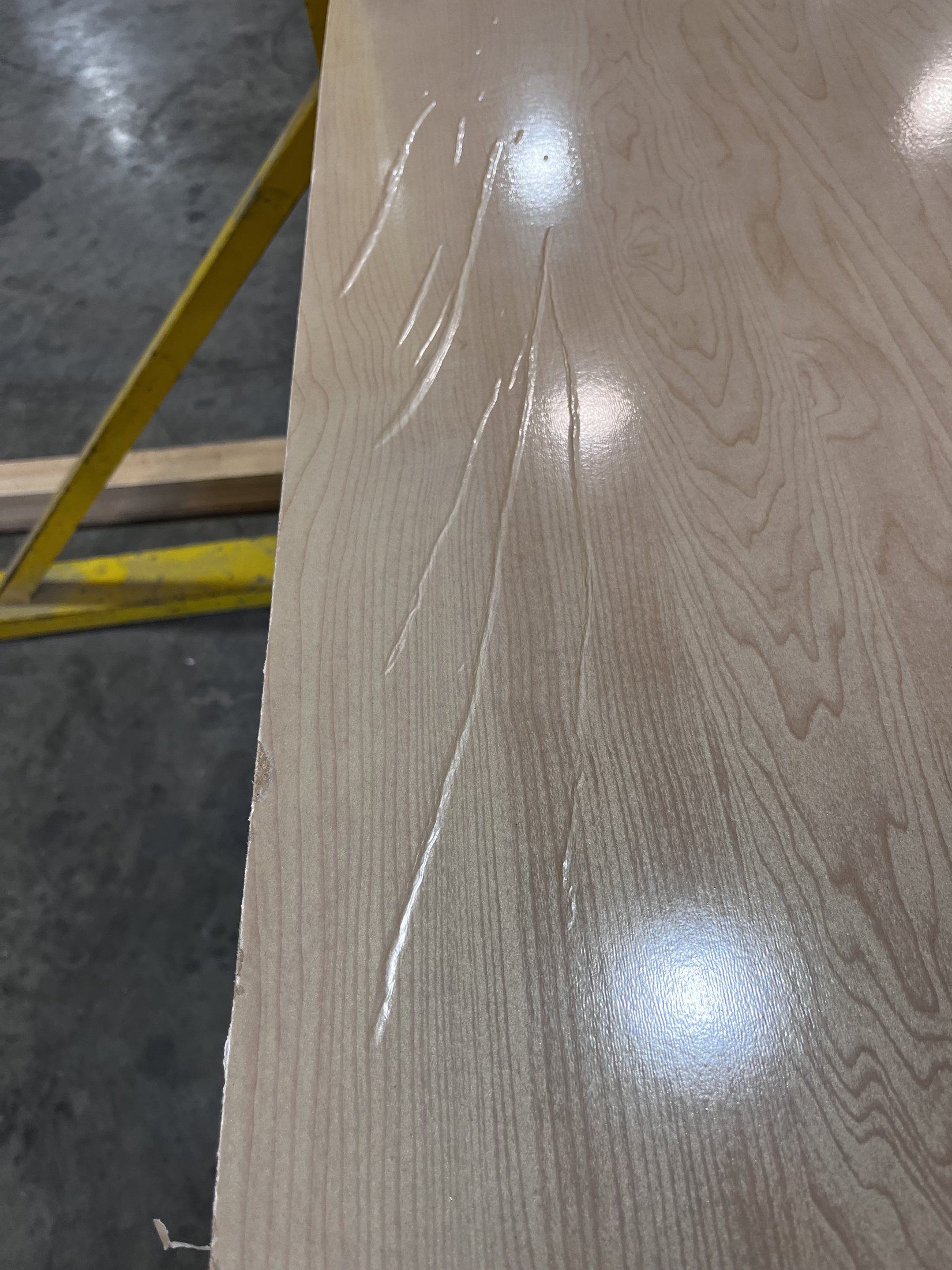
Surface defects remain after the trial. Save the failed result, explain why it did not meet the target, and record what the team changed next.
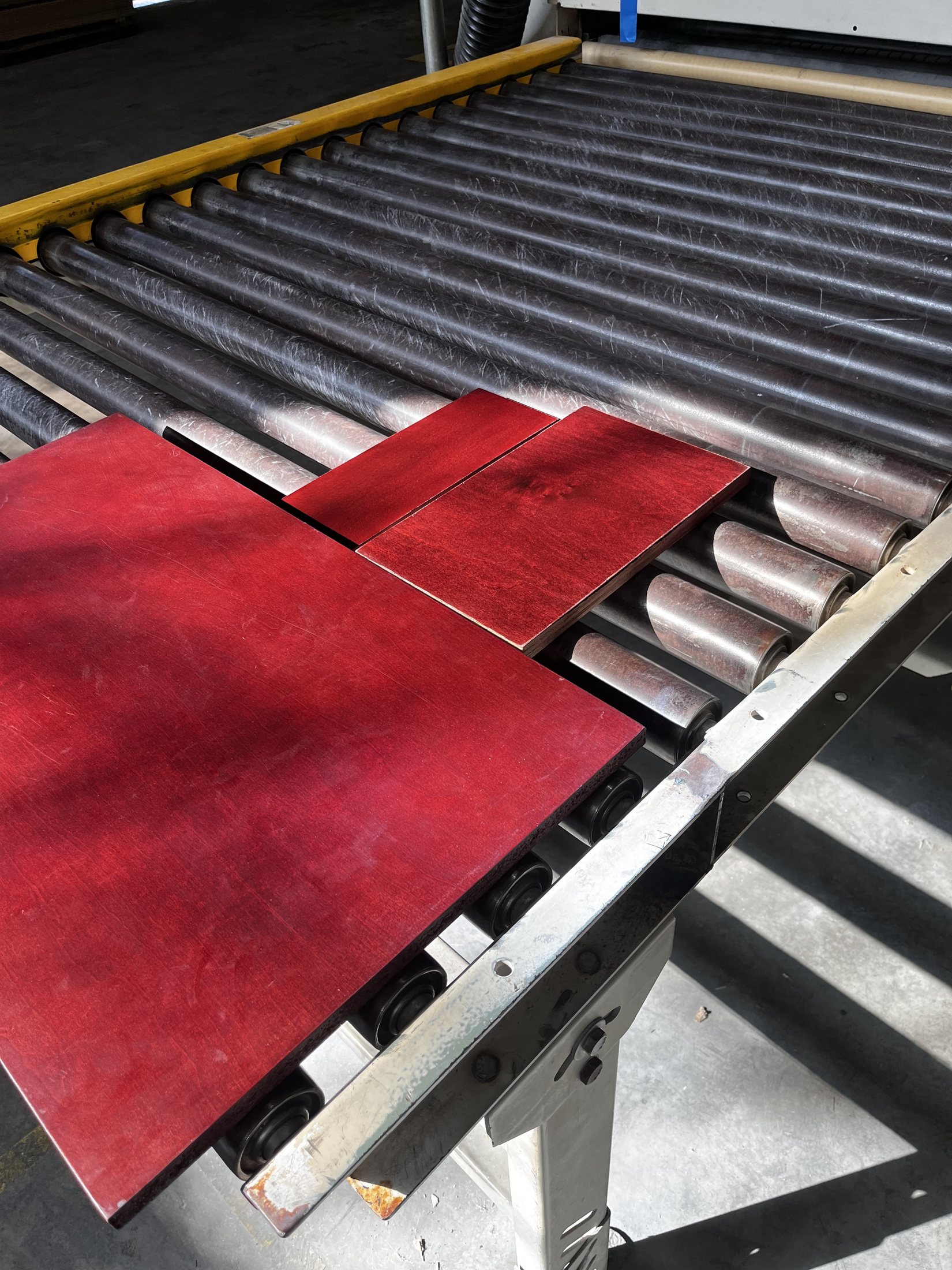
Finished panels after the revised run. A baseline photo or measurement makes the result easier to compare.
Record the settings, materials, and results
- The technical uncertainty or performance question
- Alternatives the team considered
- Tests, trials, or prototypes performed
- Results — including the ones that failed
- Who performed or supported the work
- Time, supplies, contractors, and other potentially relevant costs
- Evidence already created during the ordinary course of the work
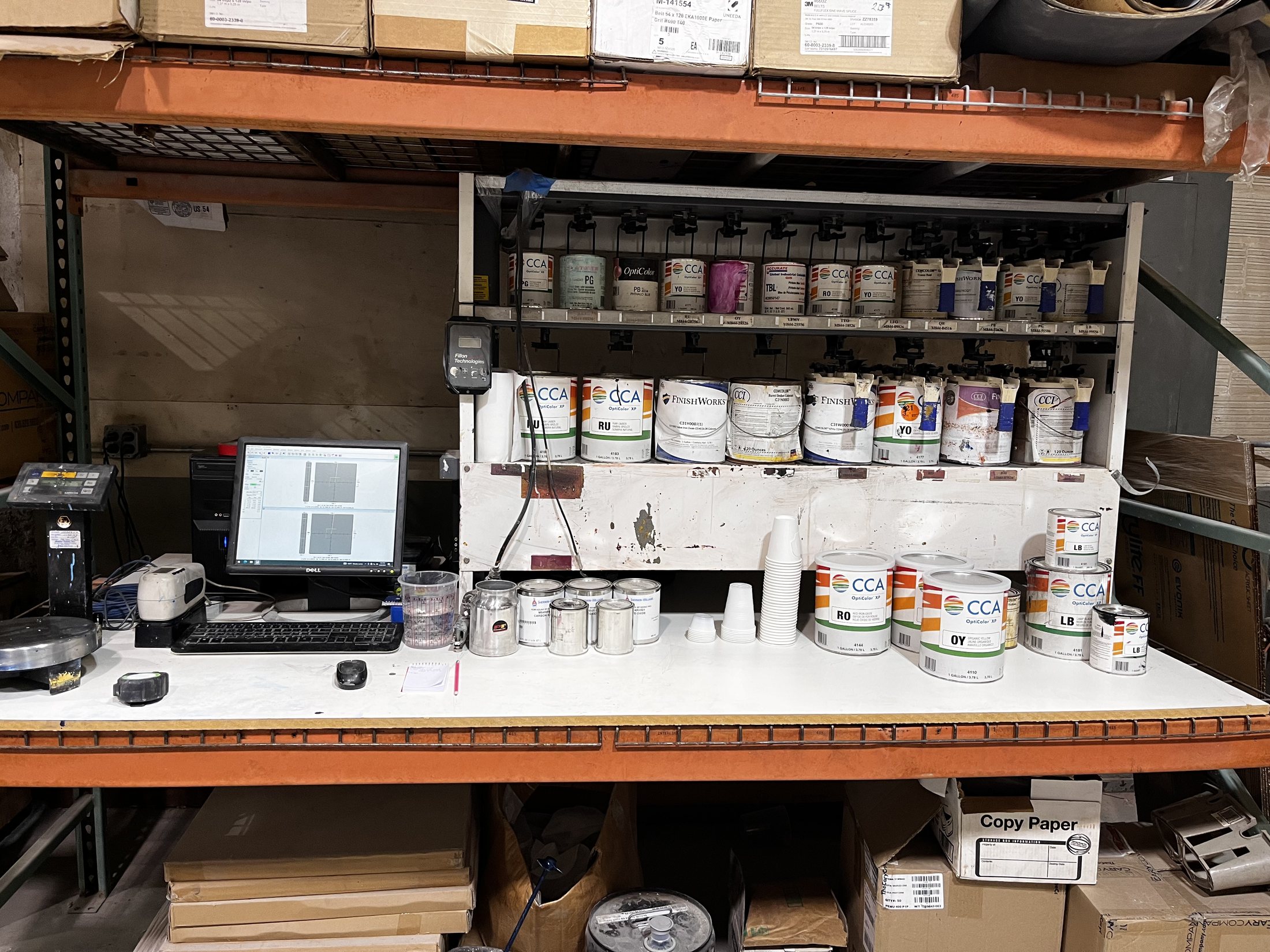
A color-mixing station used to weigh, record, and compare formulation trials. The useful record includes the materials, quantities, target result, observations, and final decision.
Show what changed from one run to the next
A reviewer should be able to follow the sequence without guessing. Record the original condition, the change made, the result observed, and the reason the team continued, revised, or rejected the approach.
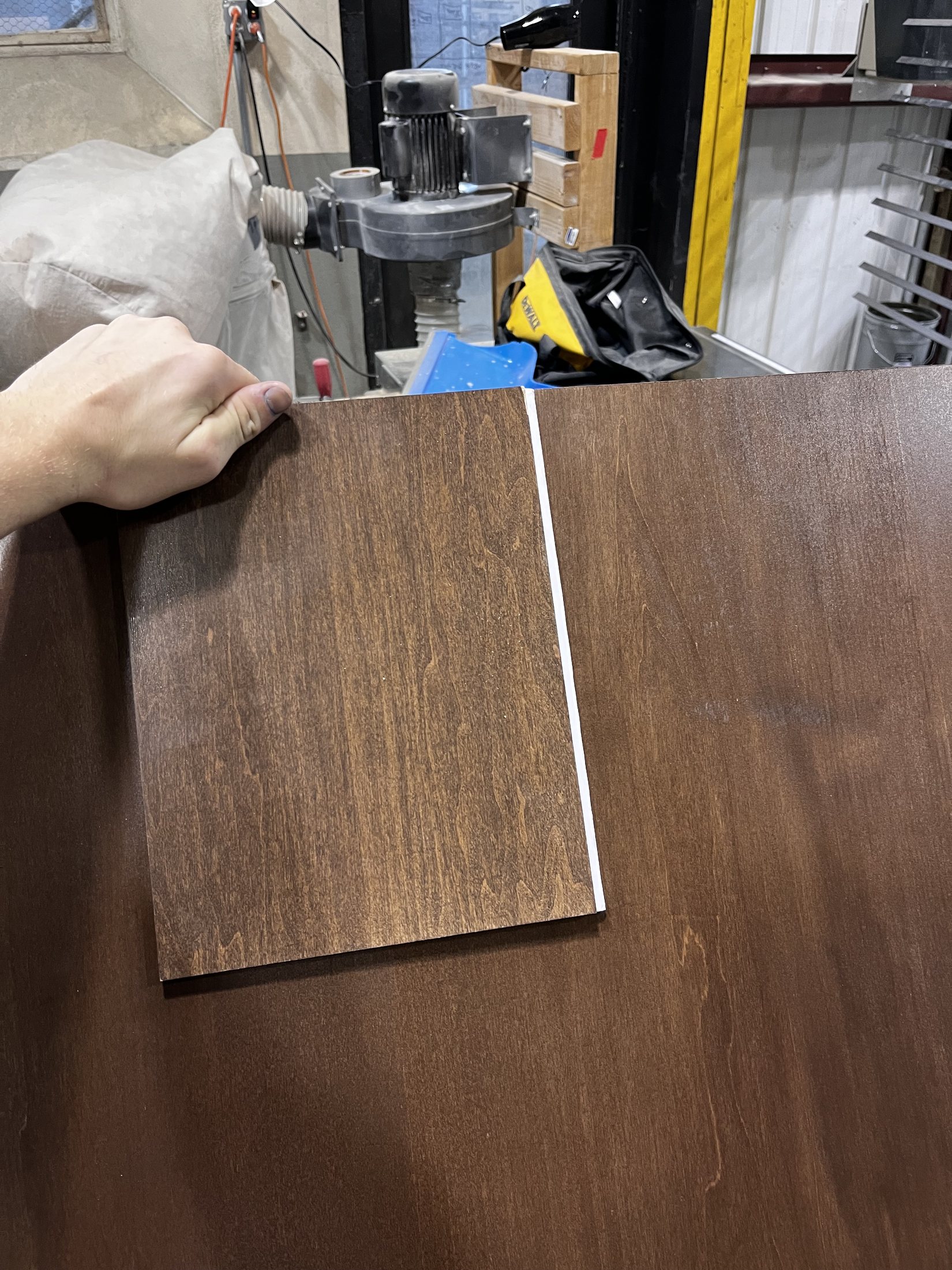
A material sample held against the base panel to compare tone, grain, and surface compatibility.
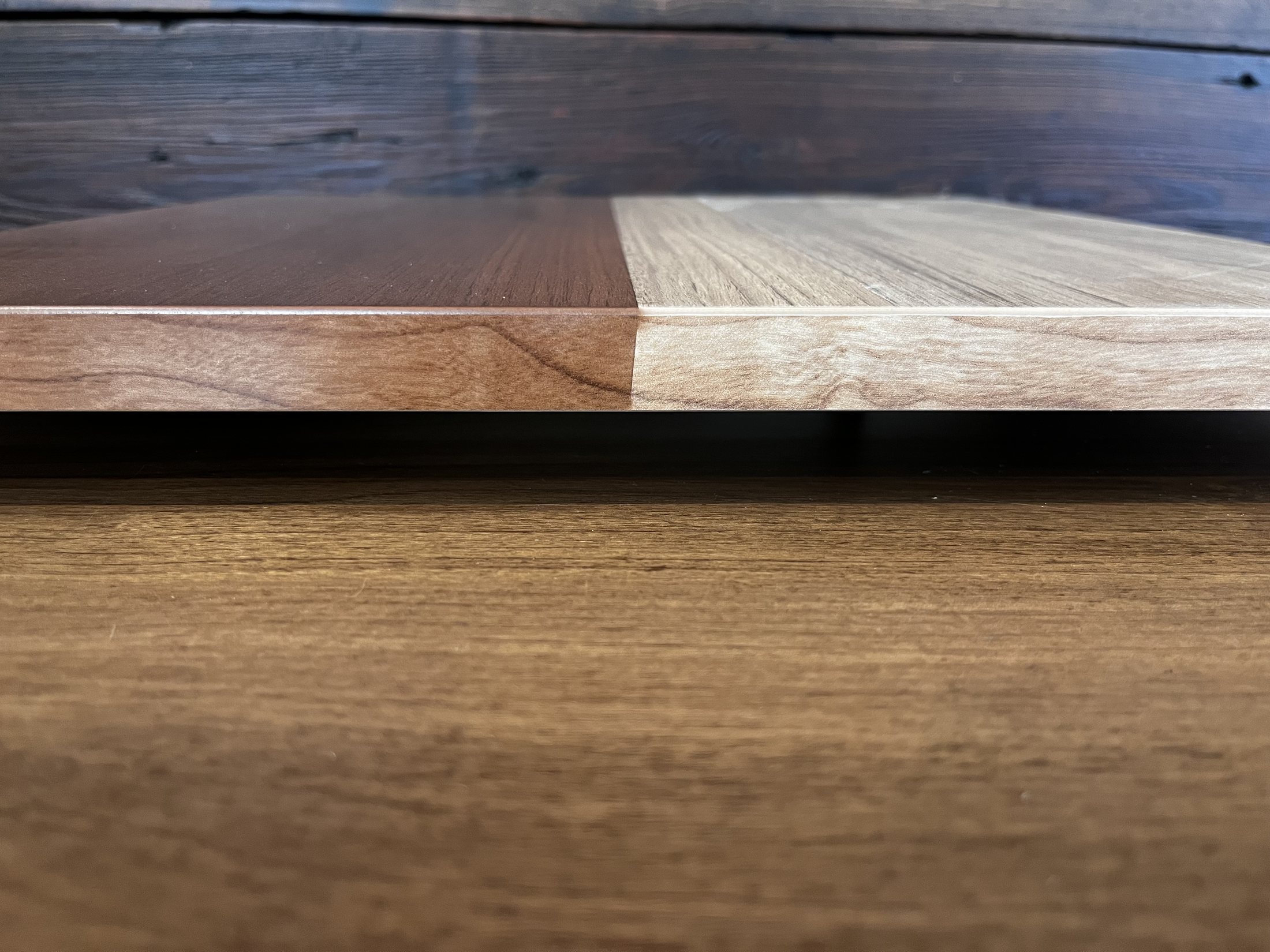
Two veneer samples placed edge to edge to record the final contrast and the option selected for the next build.
The project facts matter more than the industry label
Manufacturing, software, food and beverage, construction, fabrication, and many other fields can involve technical work worth documenting. The relevant questions are what the company was trying to improve, what was uncertain, and how the team evaluated possible solutions.
See R&D Examples by IndustryBring a recent technical project to the walkthrough
Show us a product, process, formula, software feature, material, or production issue your team worked to improve. We will map the question, trials, people, costs, and evidence into the R&D Ledger workflow.